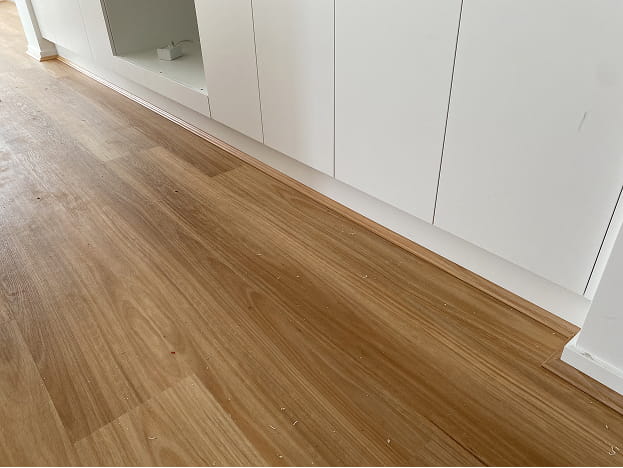
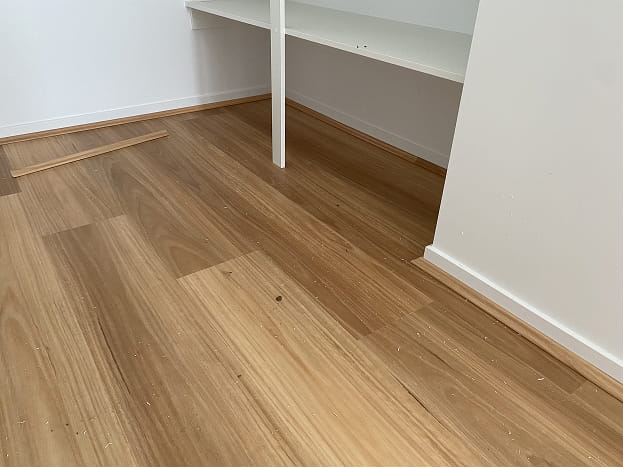
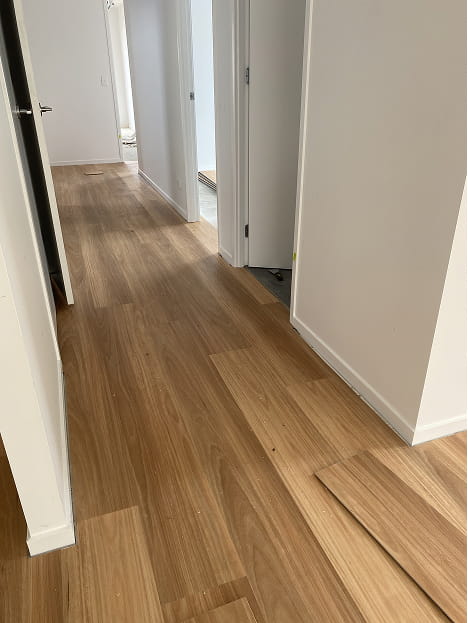
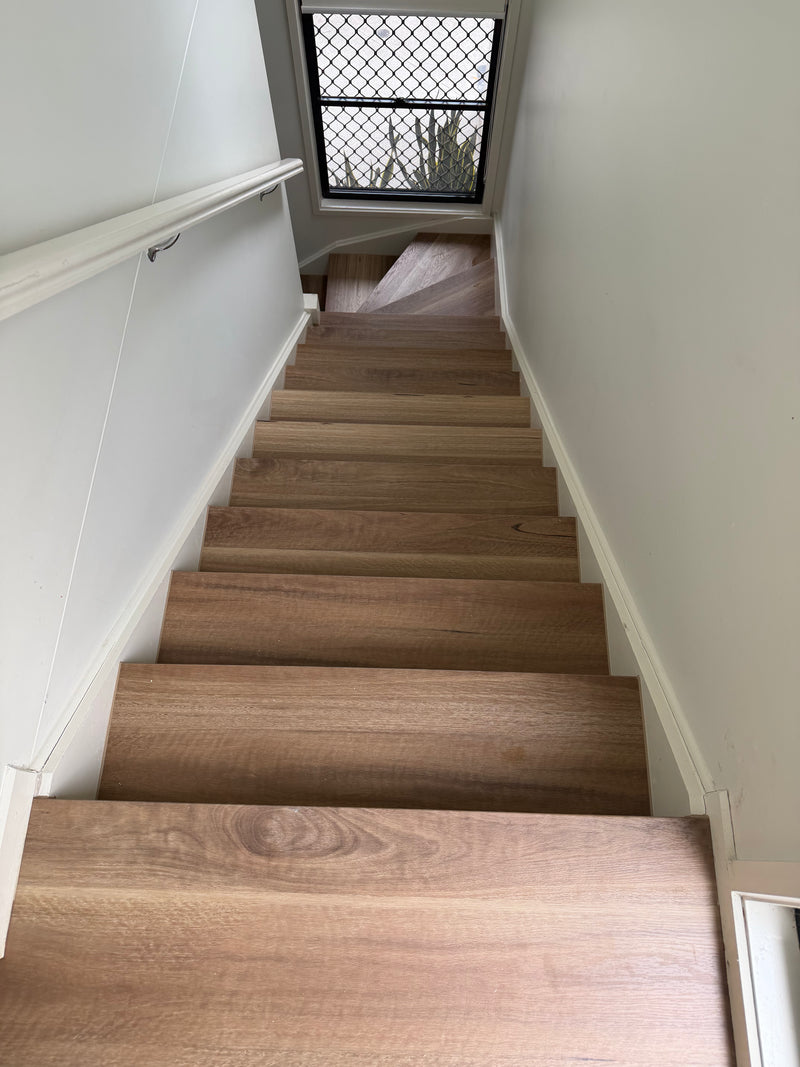
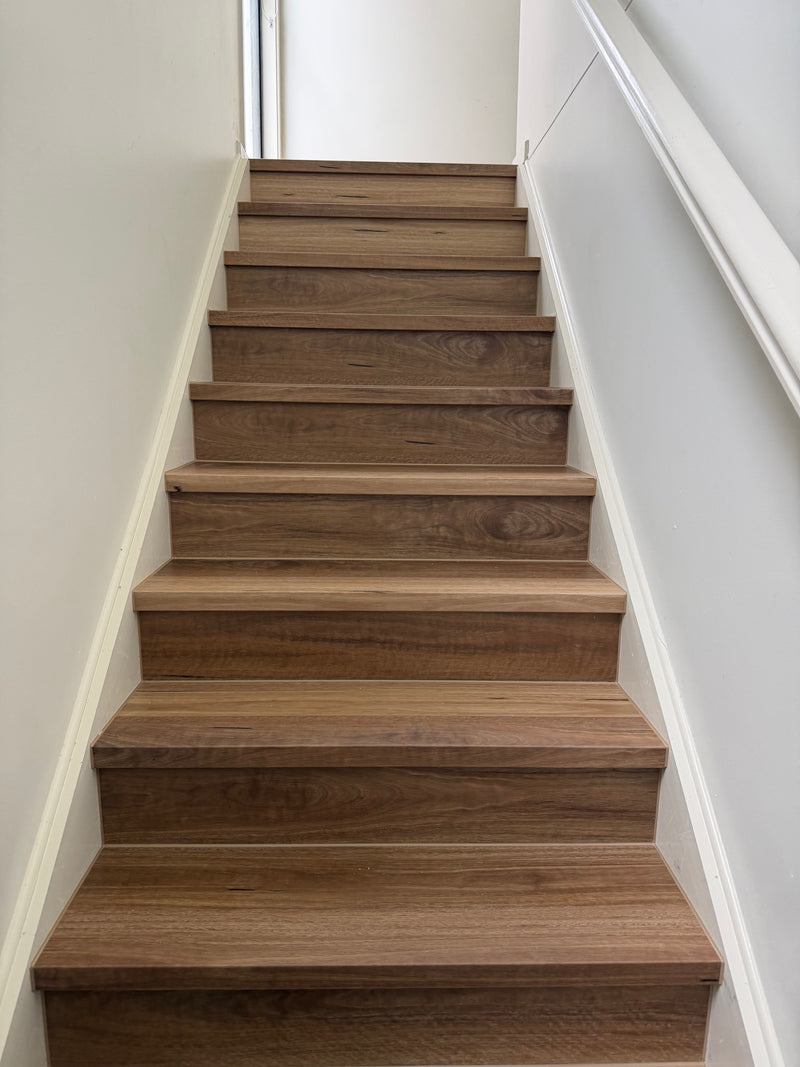
Absolutely love the flooring
“The quality exceeded my expectations. Installation was straightforward and the finished result looks incredible. Would highly recommend to anyone renovating.”
 is here! Shop now, pay later in 4 easy installments
ⓘ
is here! Shop now, pay later in 4 easy installments
ⓘ

Hybrid flooring is designed to be installed by just about anyone, which is a big part of why it's so popular with DIYers. Doing it yourself is one of the easiest ways to save money on the whole job.
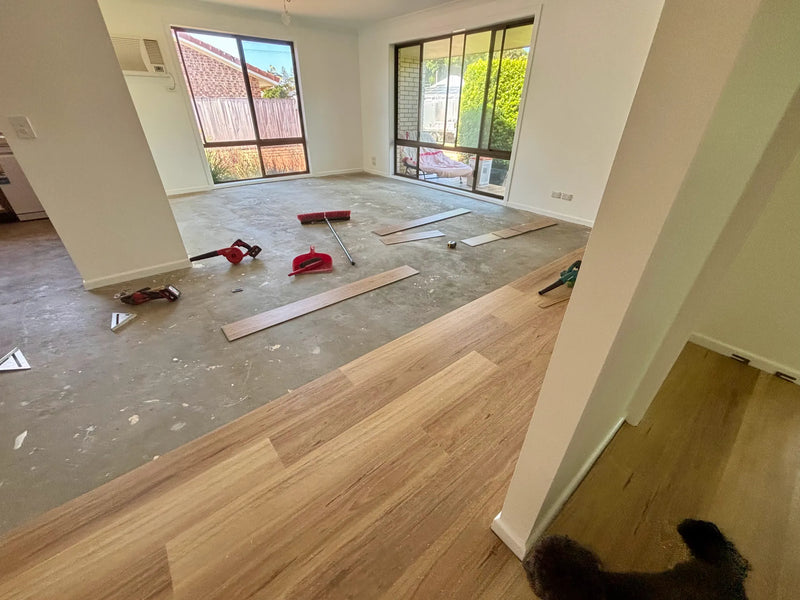
The one thing you can never skip is subfloor prep. An uneven floor is the number one reason a hybrid install goes wrong — if the surface isn't level, the boards won't click together properly and you'll fight it the whole way. Get the floor flat and clean first, and everything after that gets a lot easier.
From there it's straightforward. The planks click together seamlessly, and because the underlay is already attached to most boards, you don't need to lay a separate underlay underneath. Work across the room row by row, keep that expansion gap around the edges as you go, and finish off with your trims and transitions to tidy the whole thing up. Honestly, clicking the boards together is the easy part — almost all the real work is in the prep. Get that right and the floor more or less goes down itself.
 Read more
Unlike solid timber, hybrid flooring won’t expand, cup, or gap with seasonal humidity changes. Unlike laminate, it won’t swell if water sits on the surface. And unlike tiles, it’s warm underfoot, quiet to walk on, and installs in a fraction of the time. For families with kids, pets, or busy households, hybrid is the practical choice that doesn’t sacrifice style. See how hybrid compares to engineered timber and vinyl plank in our detailed comparisons.
It’s also the most versatile flooring option we sell: hybrid works in every room of the house — bedrooms, living areas, kitchens, bathrooms, laundries, and even commercial spaces. That means one floor type can run continuously through your entire home for a seamless, spacious look.
Price varies a fair bit depending on quality, plank size and the brand you go with. As a guide, the product itself runs anywhere from $20 to $80 per square metre. Be a little careful at the very cheap end — bargain hybrid can be a false economy if it wears out early and you end up paying to replace it down the track.
Installation usually sits around $35 per square metre, plus the extras like floor levelling, trims and transitions. As a rough rule of thumb, budget around $100 per square metre all up for product and install combined. If your floor needs a lot of levelling work first, expect to go a bit over that.
Three things that make the biggest difference when installing hybrid flooring in your home.

“The quality exceeded my expectations. Installation was straightforward and the finished result looks incredible. Would highly recommend to anyone renovating.”
“Compared dozens of options and nothing came close to the value here. SPC flooring is durable, waterproof, and looks like real timber. Couldn't be happier.”
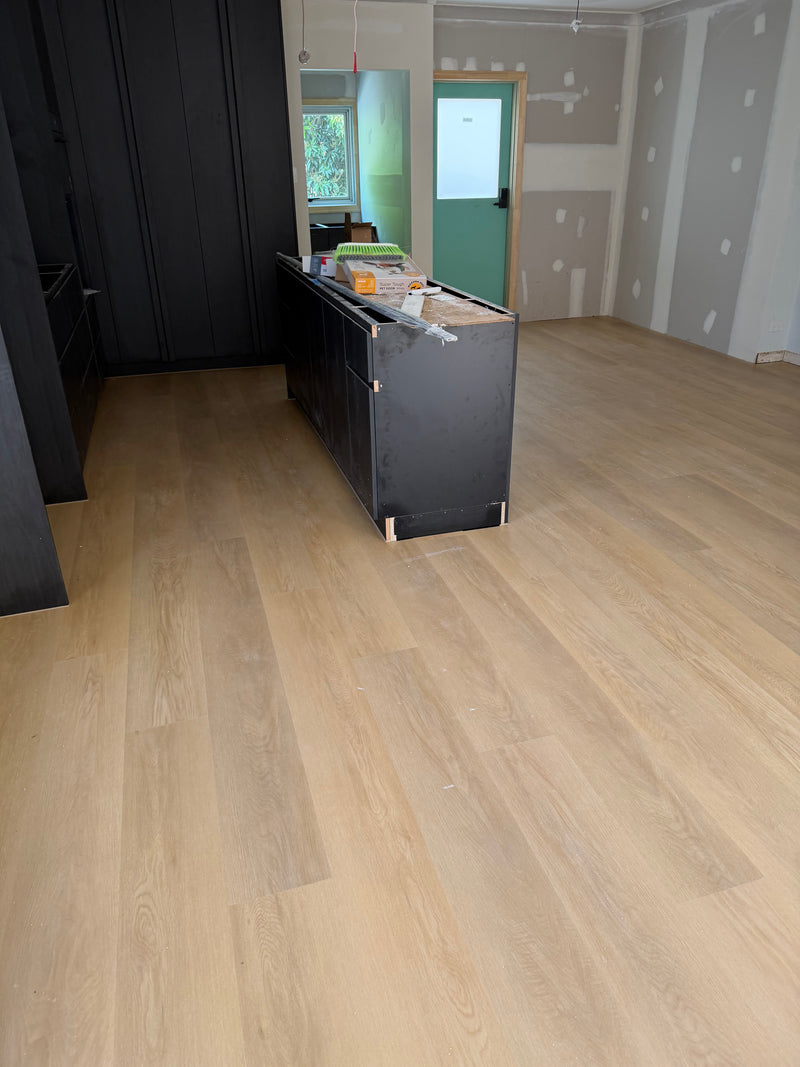
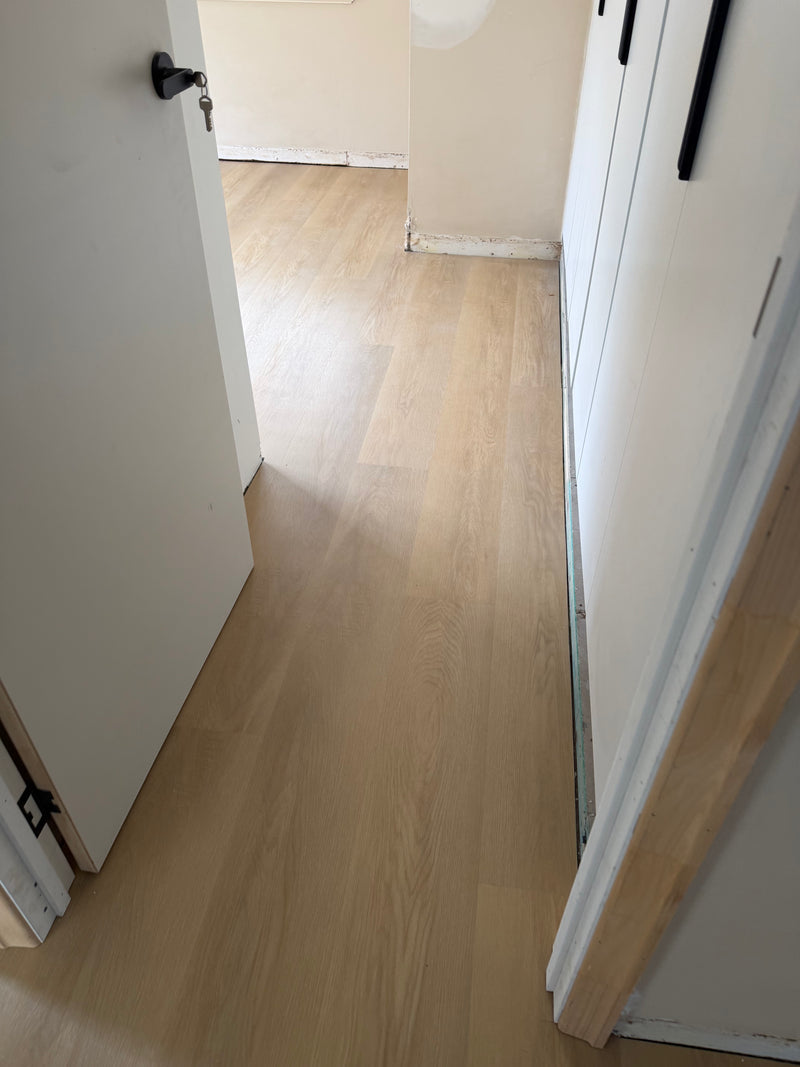
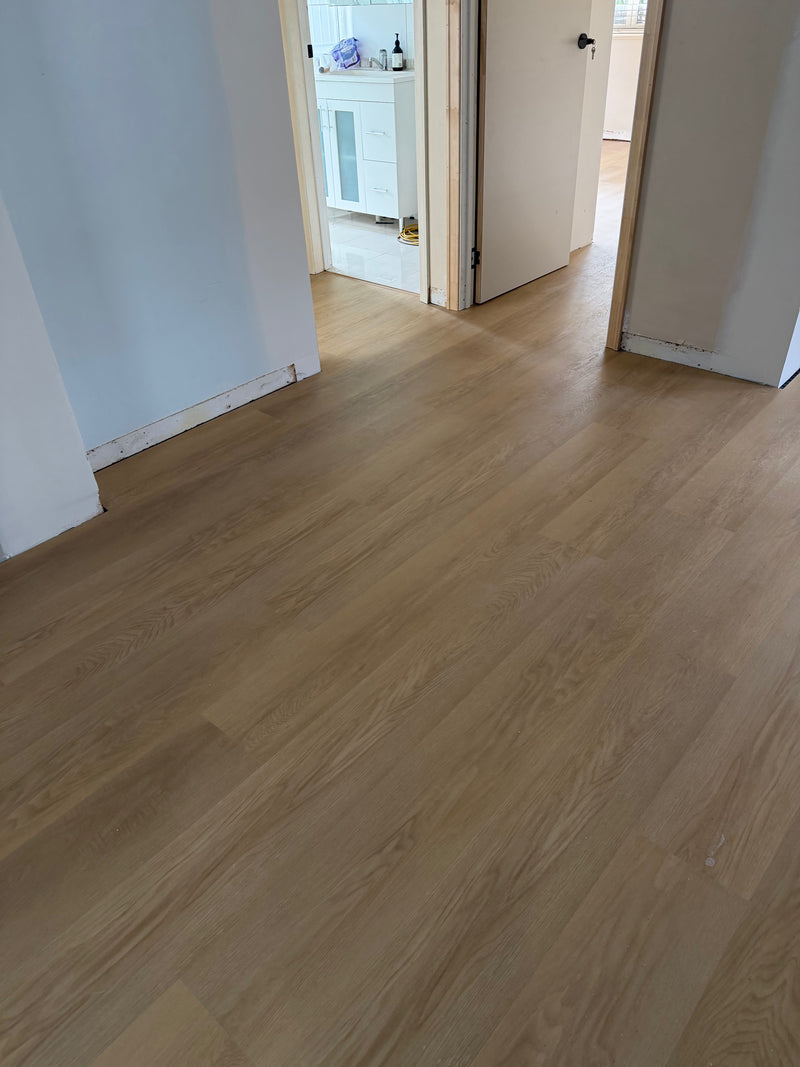
“Ordered on Monday, arrived Wednesday. The planks are solid and the click system makes installation a breeze. Took me a weekend for the whole living room.”
“Really happy with the selection of flooring, made it hard to choose! Floor came undamaged and looks even better in person. Will definitely use them again.”
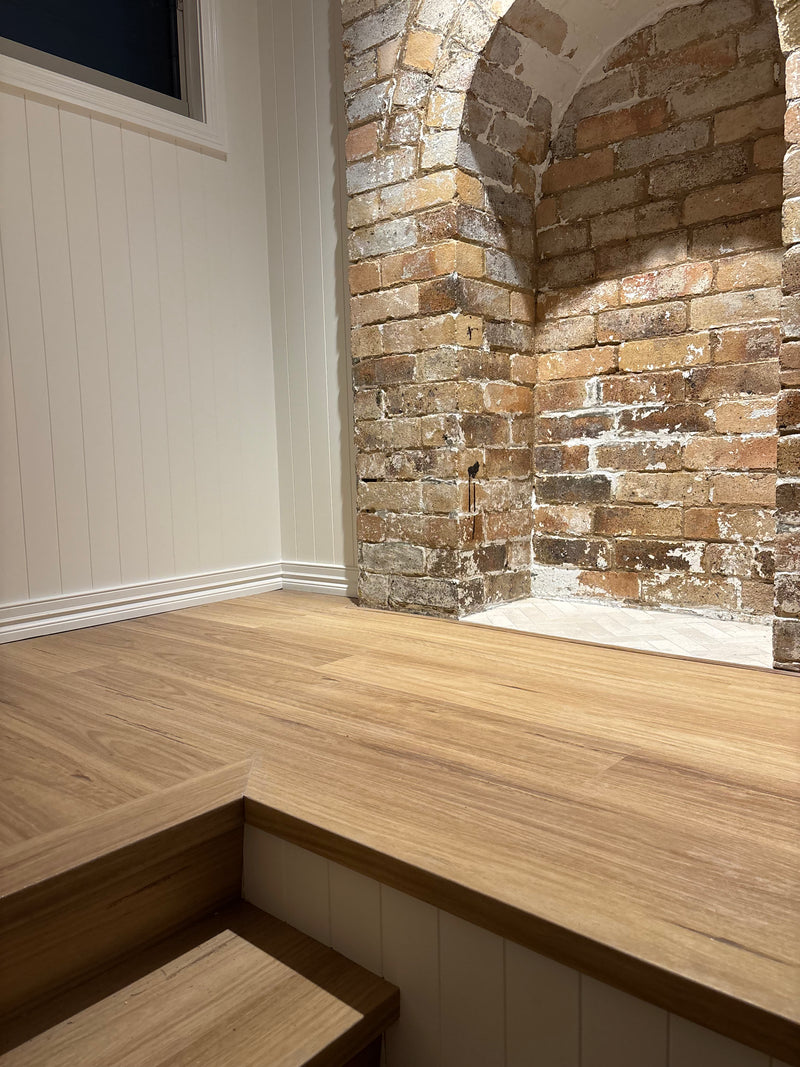
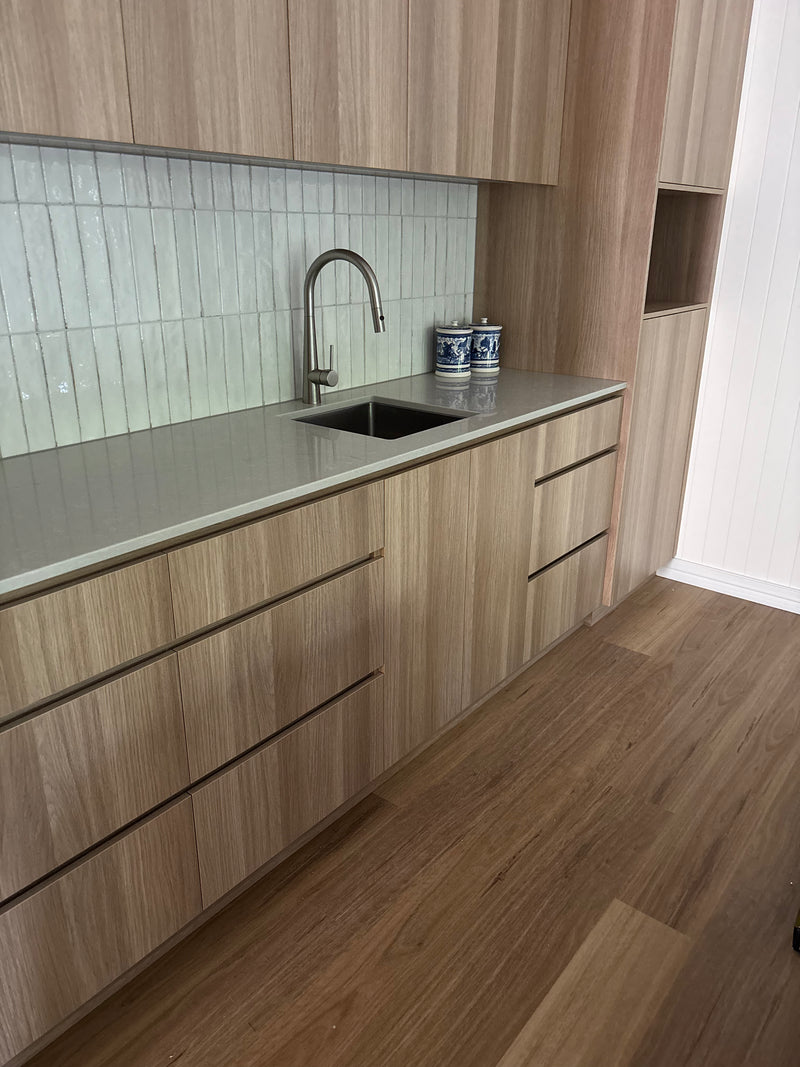
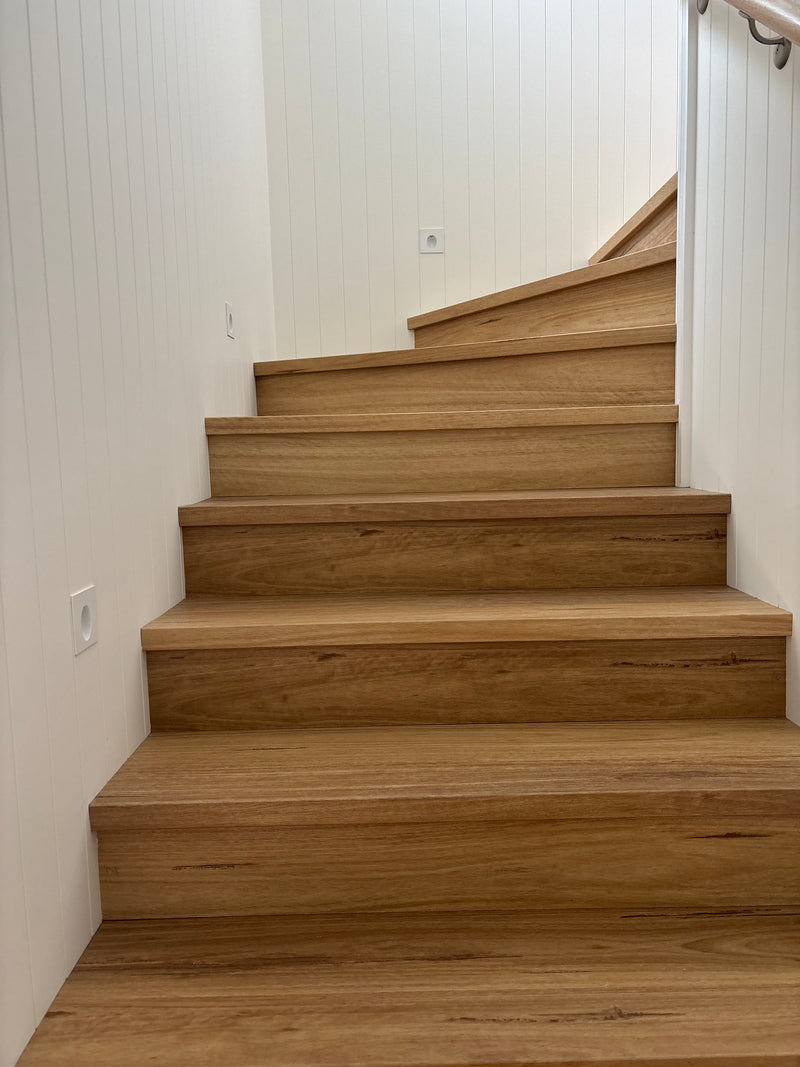
“Great flooring & wonderful service. Definitely recommend!!”
“Amazing experience with Hippo Floors! Couldn’t be happier with how our floors turned out!”
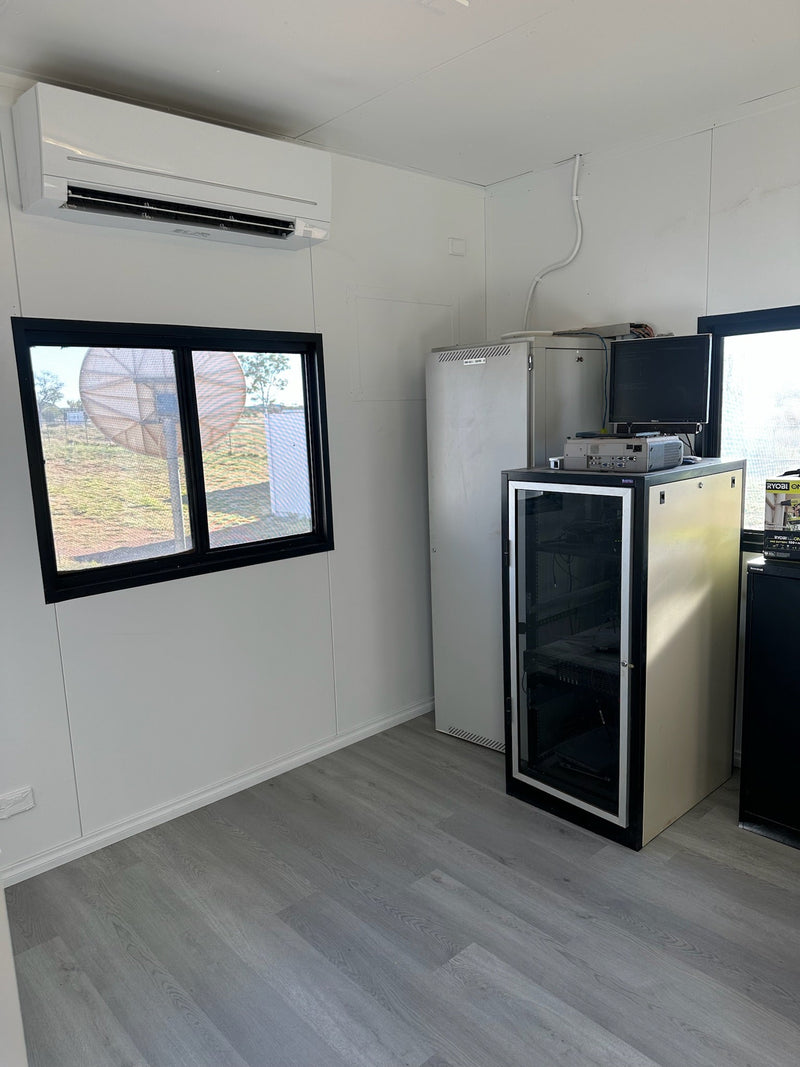
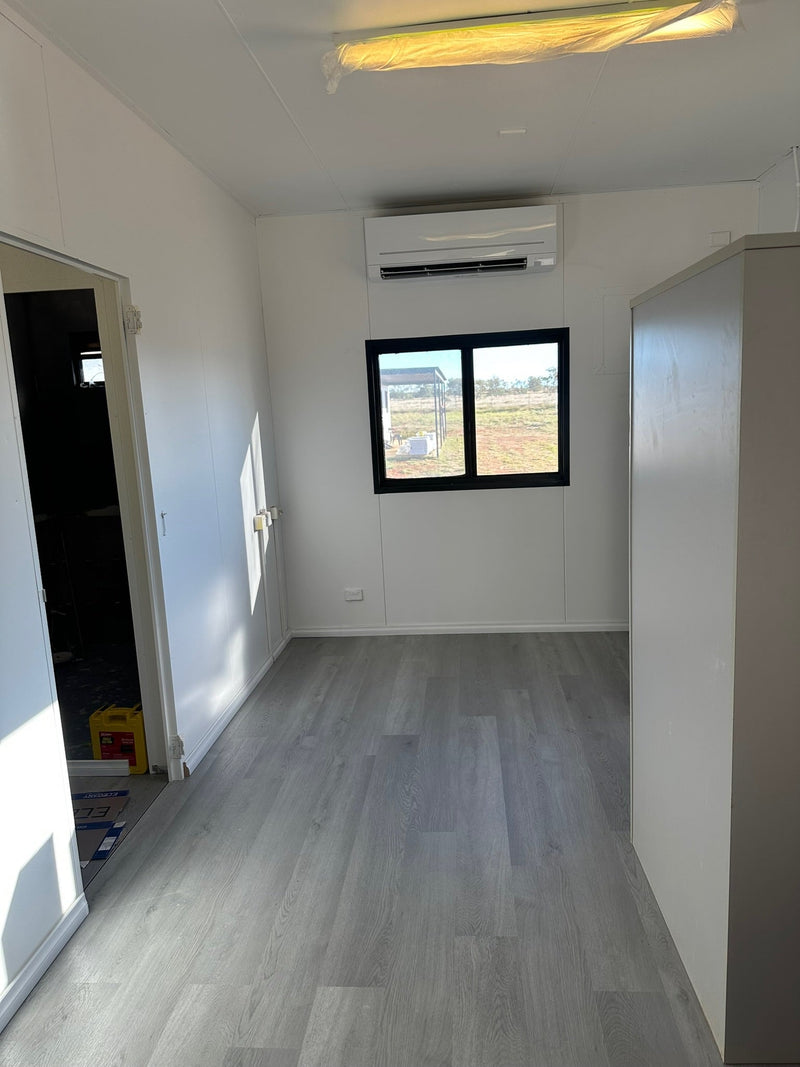
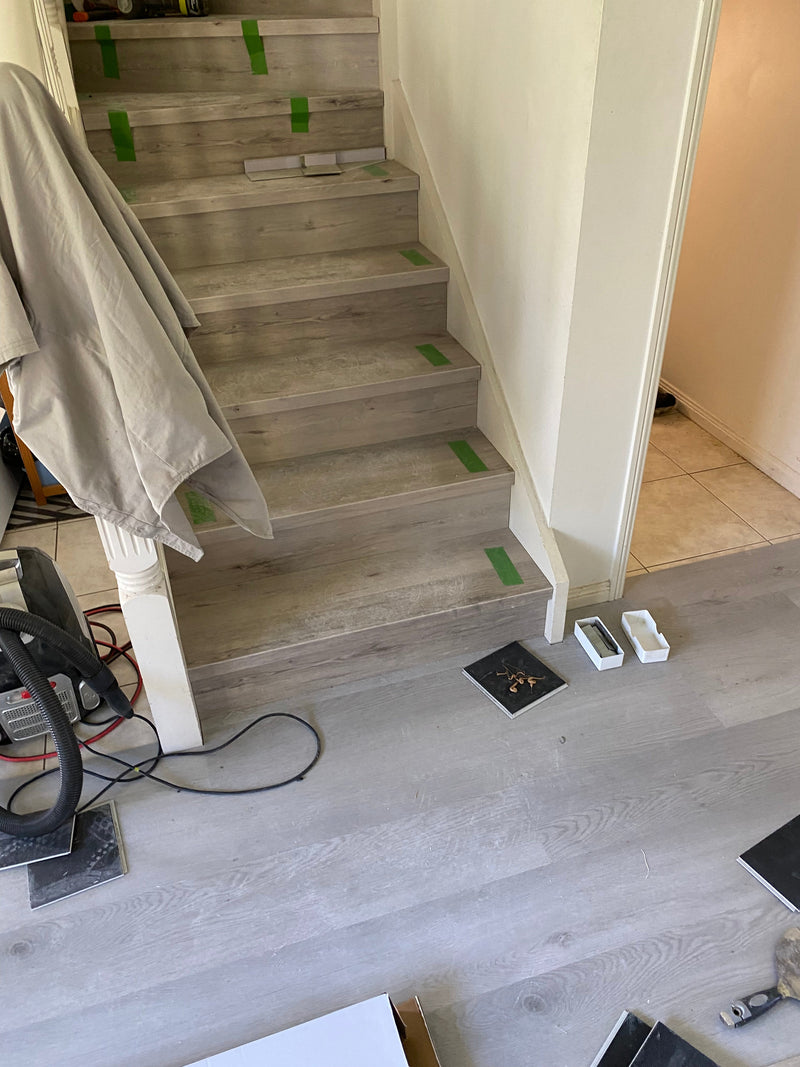
“Ordered the hybrid SPC in the ash grey colour and it arrived faster than expected. Packaging was solid, no damage. Laid it myself over a long weekend and it clicked together really easily. Looks amazing, my partner couldn't believe we did it ourselves. Will be ordering for the second bedroom soon.”
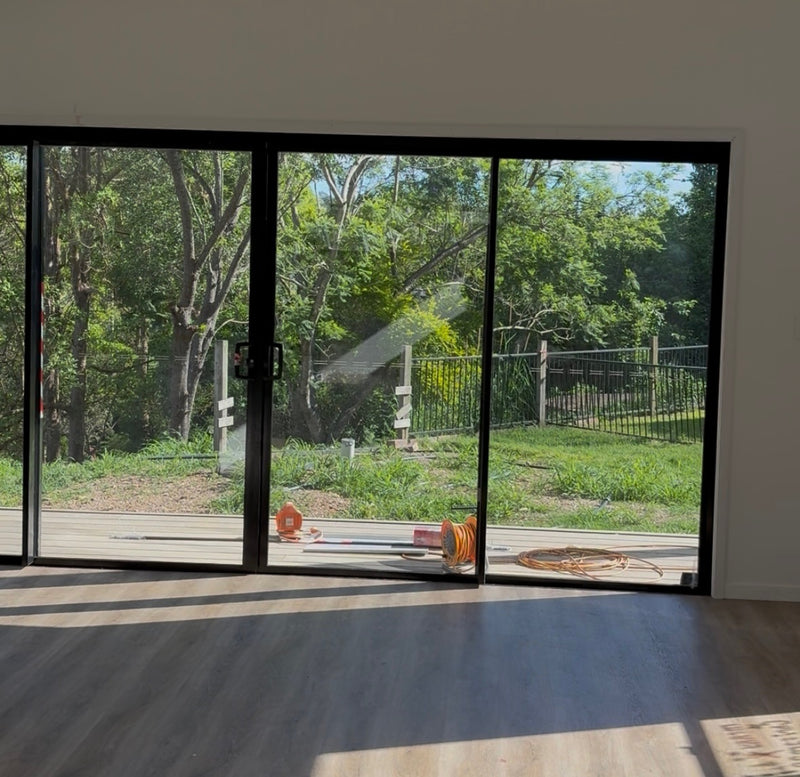
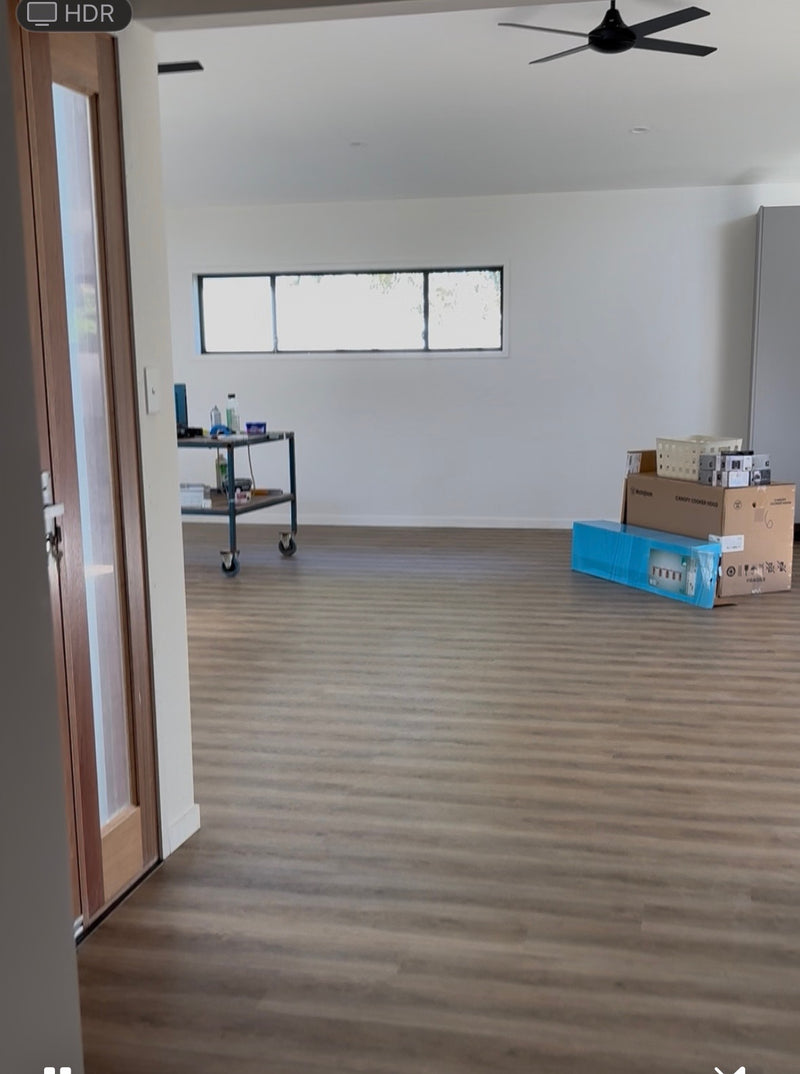
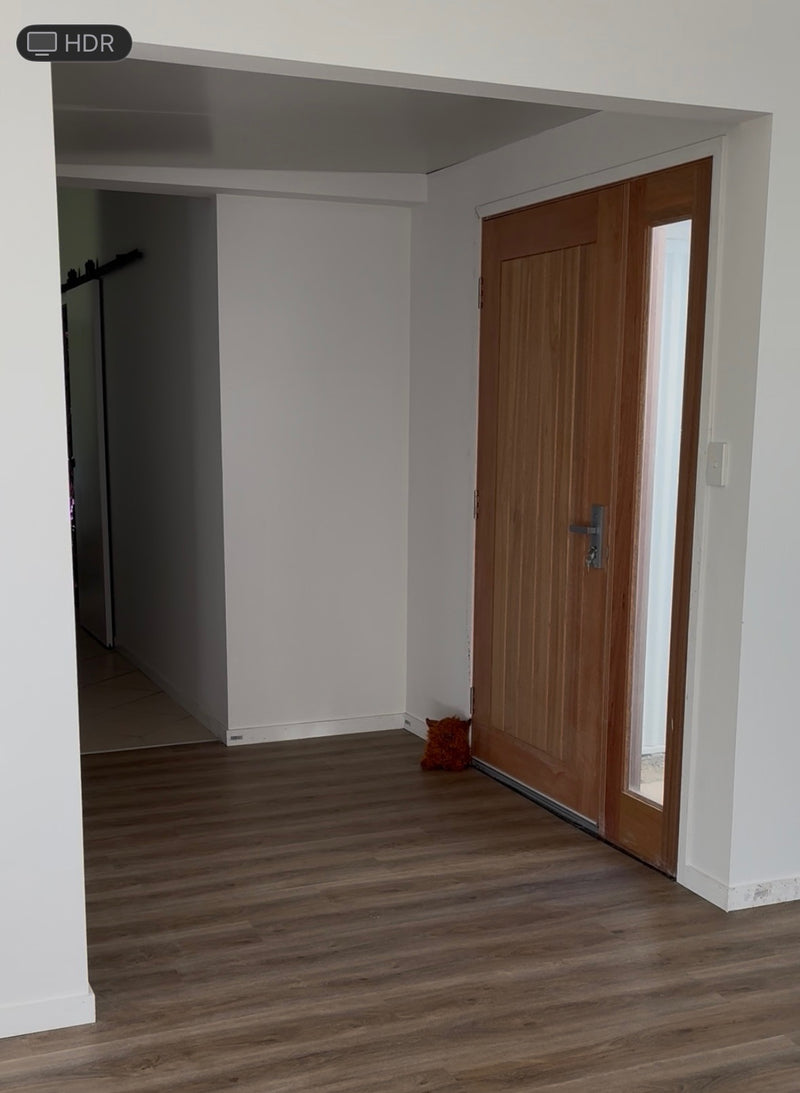
“Had a few questions before ordering and Jordan got back to me same day with actually useful answers. Ended up going with the herringbone SPC for our entryway and it's a showstopper. Highly recommend.”
“Third time ordering from Hippo Floors now. Prices are the best I've found online and the flooring quality is genuinely good. Had one plank arrive with a slight chip on an edge, sent a photo and they sorted it out no drama.”
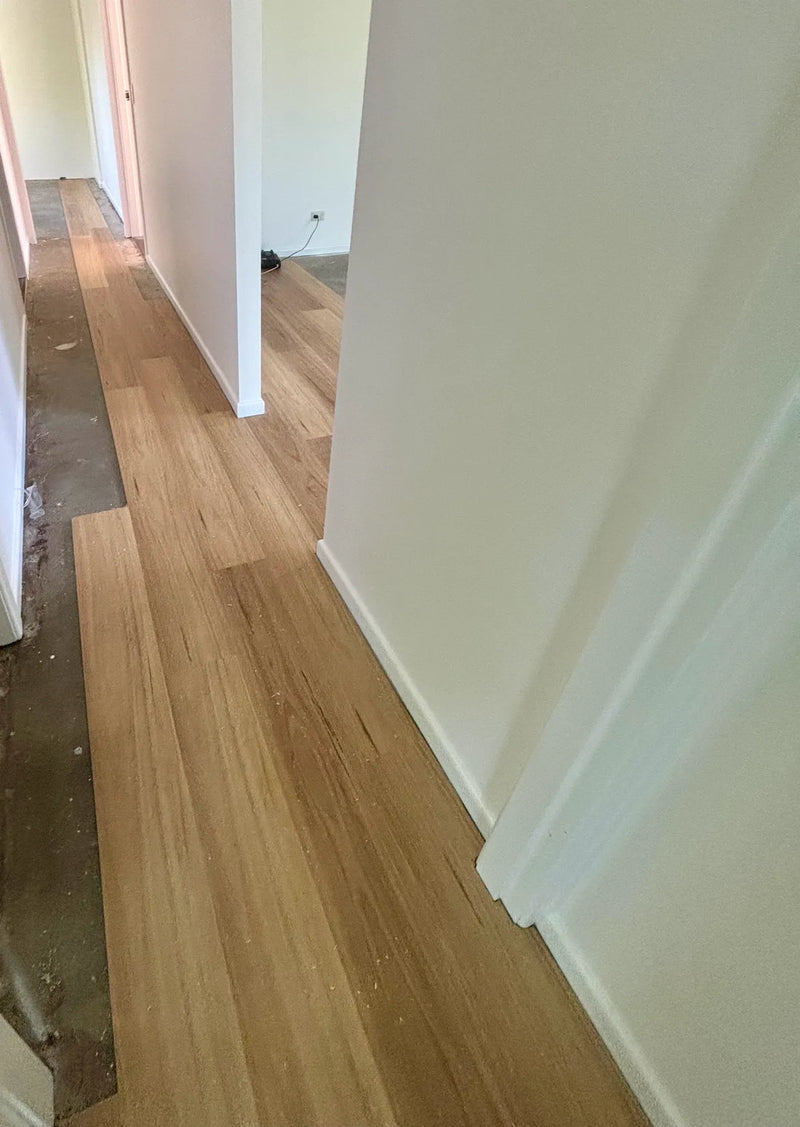
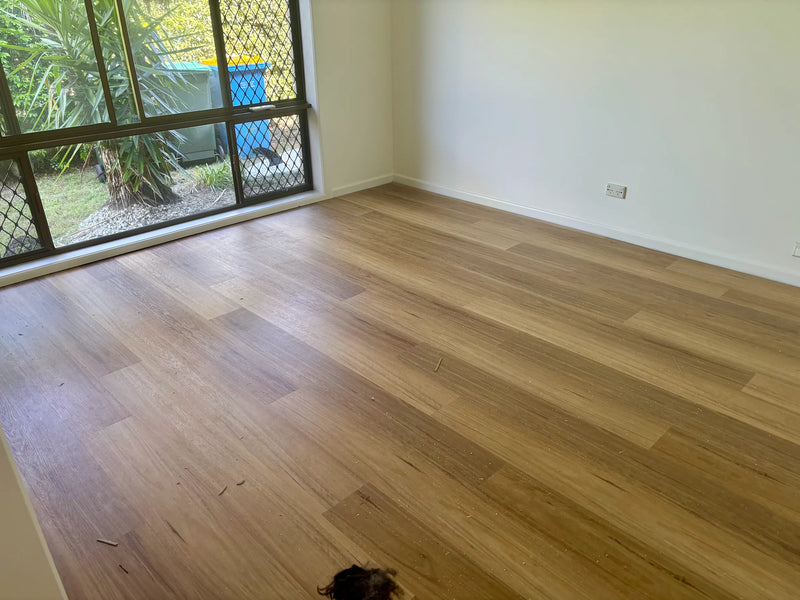
“Good range, decent prices, fast shipping to regional QLD which I didn't expect. Took off one star only because the colour looked slightly different on my screen vs in person, but honestly once it was down I was happy with it. Would buy again.”
“Renovating our entire ground floor and went with Hippo Floors after getting quotes from a few places. Saved a decent chunk going direct online and the product is exactly what they describe. Installation team they referred us to was great too.”